Let’s be honest—betting isn’t just about odds. It’s about your brain. And your brain? Well, it’s kind of a mess sometimes. We all think we’re rational creatures, making cold, calculated choices. But the truth is, our minds are wired with shortcuts—biases—that can quietly steer us off a cliff. Especially when money’s on the line.
I’ve been there. You’ve probably been there too. You place a bet, feel that rush, and then… the loss stings. But why do we keep repeating the same mistakes? It’s not stupidity. It’s psychology. And once you see these biases for what they are, you can start beating them at their own game.
The Gambler’s Fallacy: The Myth of “It’s Due”
You know that feeling—when a coin flips heads five times in a row, and you just know tails is coming next? That’s the gambler’s fallacy. It’s the belief that past events affect future probabilities in independent events. They don’t. The coin doesn’t remember. The roulette wheel doesn’t care.
In sports betting, this shows up when a team loses three games straight. You think, “They’re due for a win.” But sports aren’t that simple. Form, injuries, matchups—they matter more than some cosmic balance.
How to avoid it
Treat each bet as an independent event. Seriously. Before you place a wager, ask yourself: “If I had no idea what happened before, would I still bet on this?” If the answer’s no, step back. Use data, not gut feelings.
Confirmation Bias: The Echo Chamber in Your Head
Confirmation bias is sneaky. It’s when you seek out information that supports what you already believe—and ignore everything else. Say you’re convinced a certain horse will win. You’ll find articles praising its speed, ignore its poor track record, and gloss over the fact that it’s raining and it hates mud.
This bias is dangerous because it feels logical. You’re “doing research.” But really, you’re just feeding your ego.
How to avoid it
Actively look for counterarguments. Before you bet, write down one reason why you might be wrong. Force yourself to read analysis from the opposing side. It’s uncomfortable—but that’s the point. The truth doesn’t care about your comfort.
Overconfidence Bias: The Trap of “I Know Better”
After a few wins, it’s easy to feel invincible. You start thinking you’ve cracked the code. That’s overconfidence bias in action. It’s the reason traders blow up accounts and bettors chase losses with bigger, dumber bets.
Here’s the thing: luck plays a huge role in short-term wins. A string of successes doesn’t mean you’re a genius. It might just mean you’re lucky. And luck runs out.
How to avoid it
Keep a betting journal. Track every bet—not just the wins, but the reasoning behind each one. Review it regularly. You’ll spot patterns of arrogance. Also, set strict limits on bet sizes. If you’re feeling cocky, lower your stake. Humility is a superpower here.
Loss Aversion: Why a Loss Hurts More Than a Win Feels Good
Psychologically, losing $100 feels about twice as bad as winning $100 feels good. This is loss aversion. And it messes with your decisions in a big way.
After a loss, you might chase it—betting more to “get even.” Or you might become overly cautious, missing good opportunities. Either way, you’re not betting rationally. You’re reacting to pain.
How to avoid it
Separate your emotions from your bankroll. Think of betting money as “entertainment budget.” Once it’s gone, it’s gone. Don’t try to win it back. And honestly? Take a break after a big loss. Walk away. Let your brain reset.
The Sunk Cost Fallacy: Throwing Good Money After Bad
You’ve already lost $200 on a game. You think, “I’ll bet another $50 to even out.” That’s the sunk cost fallacy. You’re clinging to past losses, hoping to salvage something. But those losses are gone. They shouldn’t influence your next move.
It’s like staying in a bad movie because you paid for the ticket. You’re not getting the money back—you’re just wasting more time.
How to avoid it
Focus on the future, not the past. Ask: “If I hadn’t already lost that money, would I make this bet right now?” If not, walk away. Every bet should stand on its own merit.
Recency Bias: What Happened Five Minutes Ago
Recency bias is when you overweigh the most recent events. A quarterback throws three interceptions in his last game? You think he’s washed up. But maybe he was playing against a top defense. Or it was windy. Or his star receiver was injured.
This bias makes you reactive. You chase hot streaks and avoid cold ones, even when the data says otherwise.
How to avoid it
Zoom out. Look at a longer time frame—like the last 10 games or a full season. Use averages, not outliers. And if you’re betting on a team that just lost badly, ask yourself: “Is this a trend or a blip?”
Anchoring: The First Number That Sticks
Anchoring happens when you latch onto the first piece of information you see. For example, a bookmaker sets odds at +200. That number sticks in your head. Even if new info comes out (like a key player getting injured), you still think +200 is the “right” price.
It’s like buying a car. The dealer says $30,000. You negotiate down to $28,000 and feel great. But the car might only be worth $25,000. You were anchored.
How to avoid it
Do your own analysis before looking at the odds. Estimate the probability yourself. Then compare. If the bookmaker’s number is way off, you might have an edge. But don’t let their number be your starting point.
A Handy Table of Biases and Quick Fixes
| Bias | What It Does | Quick Fix |
|---|---|---|
| Gambler’s Fallacy | Thinks past events affect future odds | Treat each event as independent |
| Confirmation Bias | Seeks info that supports your view | Actively find opposing arguments |
| Overconfidence | Overestimates your skill after wins | Keep a journal; lower stakes when cocky |
| Loss Aversion | Fears losses more than values wins | Use entertainment budget; take breaks |
| Sunk Cost Fallacy | Chases past losses | Ask: “Would I bet this fresh?” |
| Recency Bias | Overweighs recent events | Look at longer time frames |
| Anchoring | Sticks to first number seen | Estimate probability before seeing odds |
One More Thing: The Hot Hand Fallacy (and Its Opposite)
You’ve heard of the “hot hand” in basketball—the idea that a player who makes several shots in a row is more likely to make the next one. Research shows it’s mostly a myth. But in betting, we fall for it all the time. A team wins five in a row? We bet on them to keep winning. But streaks end. Regression to the mean is real.
On the flip side, there’s the “cold hand” fallacy—assuming a losing streak will continue forever. Both are traps. The middle ground? Data. Look at underlying metrics, not just outcomes.
Practical Steps to Build a Bias-Resistant Routine
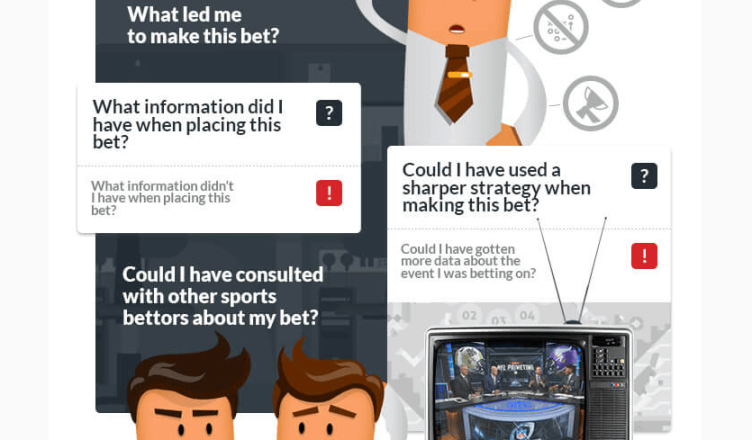
Alright, so you know the biases. But how do you actually live this stuff? Here’s a simple routine:
- Pre-bet checklist: Before any bet, write down one reason you might be wrong. It forces you to confront bias.
- Set rules, not goals: Decide your max bet size before you see any odds. Stick to it like a robot.
- Use a timer: If you’re emotional—after a win or loss—wait 30 minutes before betting. Let the dopamine fade.
- Review monthly: Look at your betting history. Spot patterns. Where did you chase losses? Where did you get overconfident?
Honestly, this stuff isn’t easy. Your brain has millions of years of evolution working against you. But awareness is half the battle. The other half? Discipline. And maybe a little bit of humility.
Betting is a game of probabilities, not certainties. You can’t control the outcome. But you can control your process. And that process—free from bias—is your only real edge.
So next time you’re about to click “place bet,” pause. Ask yourself: “Is this me, or is this my bias?” The answer might surprise you.