
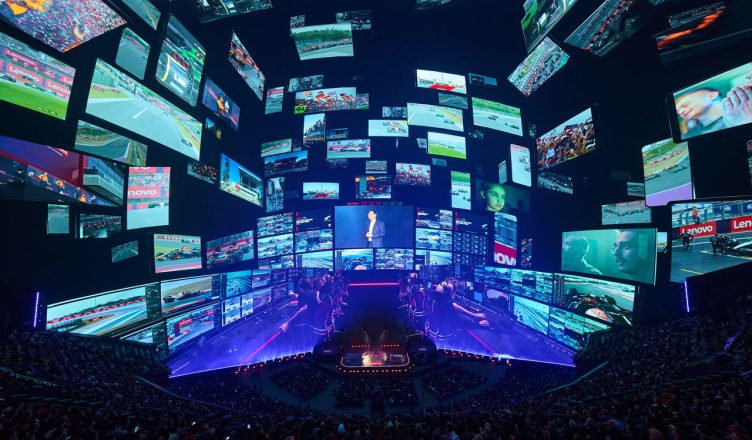
You walk into a casino and it hits you—not just the chance to win, but the feeling of the place. The symphony of ringing slots, the hypnotic swirl of lights, the plush carpet underfoot. It’s all so… exciting. But what if I told you that every single sensation is meticulously engineered? That the real game begins long before you place a bet?
Let’s pull back the curtain. This isn’t about luck; it’s about a sophisticated field called sensory marketing. Casinos are masters of it. They design environments that bypass your logical brain and speak directly to your emotions and instincts. Honestly, understanding it is fascinating—and a little unsettling.
The Soundtrack of Spending: More Than Just Noise
Close your eyes in a casino. What do you hear? It’s never silence. The sound design is a calculated layer of psychological triggers.
Winning Sounds (Even When You Lose)
Slot machines are the prime example. That celebratory jingle, the clinking of coins—it’s a “winning” sound, but here’s the deal: it often plays for any payout, even one less than your original bet. Your brain gets a hit of dopamine, associating the sound with reward. You feel like a winner, which encourages you to… keep playing.
The Rhythm of Play
Game sounds are designed for speed. The rapid *beep-beep-beep* of a button press, the swift reel spin noise—they create a fast-paced rhythm that subconsciously urges you to make the next bet, and the next. There’s no downtime, no moment of quiet reflection. It’s a continuous loop of auditory feedback.
And that general casino cacophony? The murmur of crowds, distant laughter? It’s not chaos. It’s engineered to feel vibrant and alive—to suggest everyone is having a great time, which lowers inhibitions and fuels participation. You know, fear of missing out, but in sonic form.
Lighting: The Ultimate Illusionist
If sound sets the tempo, lighting builds the world. Casino lighting is a study in controlled perception.
No Clocks, No Windows
This is the most famous trick. By eliminating natural light and timepieces, casinos create a “timeless zone.” Your circadian rhythms get disrupted. Is it 10 PM or 3 AM? It’s hard to tell. This disorientation makes it easier to lose track of how long you’ve been playing.
Focus and Fascination
Lighting is intensely focused. Bright, colorful beams spotlight the gaming tables and slot machines, making them the stars of the show. Everything else—aisles, ceilings, service areas—fades into relative dimness. Your attention is funneled, laser-like, onto the action.
The lights themselves are often warm and flattering. They make people look healthier, the space feel more inviting, and the chips and cards appear more vivid. It’s a subtle glow that promises comfort and… well, more play time.
The Full Sensory Trap: Beyond Sight and Sound
Great sensory marketing engages all five senses. Casinos get this, in fact, on a profound level.
| Sense | Casino Tactic | Psychological Effect |
| Smell | Piped-in, subtle scents (vanilla, citrus, floral). “Signature” casino aromas. | Enhances mood, reduces stress, creates strong environmental memory. |
| Touch | Plush carpeting, smooth, weighted poker chips, satisfying button presses. | Feeling of luxury and comfort; tactile feedback creates engagement. |
| Taste | Readily available free drinks, easy access to dining. | Alcohol lowers inhibitions. Convenience prevents you from leaving to find sustenance. |
That carpet you’re standing on? It’s not just ugly by accident. The complex, busy patterns are designed to hide wear and stains, sure, but also to make looking down at the floor visually unappealing. Your eyes naturally drift back up to the well-lit, exciting games.
The Modern Digital Spin: Online Casinos and Sensory Cues
You might think this psychology is limited to physical spaces. Not a chance. Online casino game design has digitized these principles masterfully. The sounds are crisper and more rewarding. The visual animations for a “bonus round” are explosive celebrations. The use of color and flashing “spin” buttons creates the same urgency. They’ve miniaturized the sensory overload into your pocket.
It’s a current trend, really—the gamification of betting apps with sensory-like feedback loops (vibrations, cascading coin sounds) that mimic the real thing. A major pain point for responsible gambling advocates, honestly.
Awareness is Your Best Defense
So, what’s the takeaway? I’m not here to tell you not to visit a casino or play a game. The point is awareness. These environments are built by experts in human psychology to keep you engaged and playing. They’re designed to feel fun, sure, but also to make you lose track—of time, of money, of rational choice.
Next time you’re in that environment, take a mental step back. Notice the lack of clocks. Listen to the sounds around you—really listen. Feel the carpet under your shoes. By recognizing the design, you reclaim a piece of your own attention. You separate the engineered experience from your own decision-making.
The most powerful player in the room isn’t the one with the biggest stack of chips. It’s the one who understands the rules of the game they’re really in. The game of perception.