
Let’s be honest. For years, online gaming—especially in the casino and iGaming space—has operated on a simple, unspoken agreement. You, the player, trust that the platform is playing it straight. That the random number generator (RNG) isn’t rigged, that the card shuffle is truly random, that the house edge is the only edge. But trust… well, it’s a fragile thing. You just have to take their word for it.
Here’s where things get interesting. Enter blockchain technology, this decentralized, tamper-proof digital ledger. And it’s colliding with the world of gaming to create something revolutionary: provably fair gaming mechanics. This isn’t just a minor upgrade. It’s a fundamental shift in power—from the platform to the player. Let’s dive in.
What “Provably Fair” Actually Means (And Why It Matters)
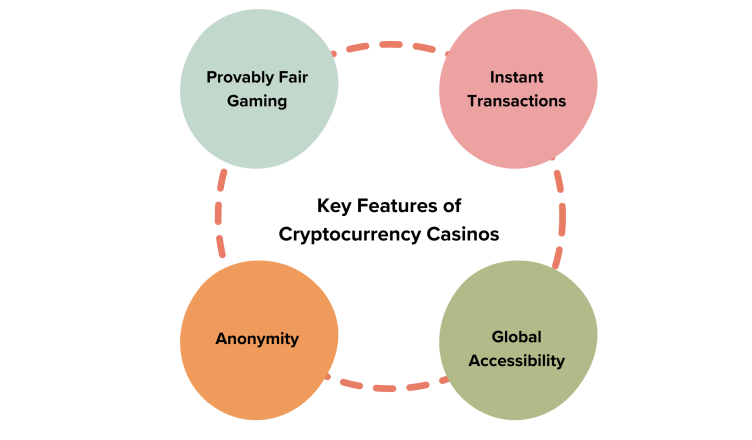
First, let’s untangle the jargon. “Provably fair” is a technical standard. It allows you to verify, after the fact, that the outcome of a game was determined fairly and wasn’t manipulated. Think of it like a sealed envelope. Before you place a bet, the game gives you a cryptographic “seed” – a unique key. The game also has its own seed. These combine to generate the game’s outcome.
After you play, you can check the seeds and the algorithm. You can literally prove to yourself that the result was pre-determined and random. No more blind faith. It’s like being able to count the cards in a freshly opened deck before the dealer even shuffles—except here, the math does the counting for you.
Blockchain: The Trustless Backbone
Now, provably fair algorithms can exist on their own, technically. But blockchain… it supercharges them. It’s the perfect, immutable record-keeper. Here’s the deal:
- Immutability: Once a transaction or game result is written on a blockchain (like Ethereum, Solana, or a dedicated gaming chain), it cannot be altered or deleted. The record is set in digital stone. This prevents any party from retroactively changing the outcome.
- Transparency: All the cryptographic seeds and game outcomes can be stored on-chain. Anyone can audit them. This creates a public, verifiable history of every single game ever played. That’s a level of transparency traditional platforms could never—and frankly, would never—offer.
- Decentralization: The game logic itself can be encoded in smart contracts. These are self-executing programs on the blockchain. They run exactly as written, with no human intermediary. The house doesn’t control the payout; the code does. It removes the “middleman” from the equation.
The Player’s New Toolkit: Verification in Practice
So what does this look like for you, sitting at your screen? Imagine playing a dice game. Before your roll, you’re shown a “server seed” hash (a scrambled version of the seed) and you provide your own “client seed.” You roll. You win or lose. Then, you can hit a “Verify” button. The platform reveals the original server seed, and your browser (or a third-party tool) runs the same algorithm. It shows you, conclusively, that the result was calculated from those seeds before your bet was finalized. The magic trick is revealed, and it turns out it wasn’t a trick at all—it was just honest, beautiful math.
Tangible Benefits Beyond the Hype
This intersection isn’t just a neat tech demo. It solves real, aching pain points in online gaming.
| Traditional Gaming Pain Point | Blockchain + Provably Fair Solution |
| Opacity of RNG systems | Fully verifiable, on-chain randomness |
| Slow or disputed withdrawals | Instant, automated payouts via smart contracts |
| Risk of platform insolvency or exit scams | Funds held in escrow smart contracts, not by a central company |
| Lack of true asset ownership (in-game items) | NFTs representing verifiable, tradable ownership |
That last point is crucial. In many blockchain games, your winnings—a unique skin, a powerful item—are NFTs you truly own. You can sell them on open marketplaces. The game’s economy becomes yours, not just a walled garden controlled by a single company.
Not All Sunshine and Rainbows: The Real Hurdles
Okay, let’s pump the brakes for a second. This space is still maturing, you know? The user experience can be clunky. Managing crypto wallets, understanding gas fees, navigating the wild west of new projects—it’s a barrier for the average player. And honestly, the “provably fair” label itself has been slapped on some projects that are… less than reputable. The tech enables trust, but it doesn’t guarantee a fun game or ethical business practices.
Furthermore, the very transparency can be a double-edged sword. If every game outcome is on a public ledger, sophisticated analysts can study patterns. While they can’t predict future outcomes, they can analyze the house edge and game mechanics with surgical precision. For operators, there’s nowhere to hide.
Where This Is All Heading: A More Equitable Game
The trajectory, though, is clear. We’re moving towards a model where trust is optional, but verification is mandatory. This will likely push the entire industry—both crypto-native and traditional—towards higher standards. Legacy platforms might start adopting similar audit trails just to stay competitive.
The intersection of blockchain and provably fair mechanics is building more than just games. It’s building a framework for digital interaction where the rules are clear, open, and enforced by code, not just corporate policy. It turns players from passive participants into empowered auditors. Sure, the technology is complex under the hood. But the promise is beautifully simple: a fair shot, every time, that you can prove for yourself. And that changes everything.