
Let’s be honest. When you think of a poker night, you probably picture chips, cards, maybe some cold drinks. Sustainability? It’s not the first thing that comes to mind. But here’s the deal: every choice we make, even at the felt, has a footprint. And for the modern player who cares about their game and their planet, a few smart swaps can make your home game not just more fun, but genuinely greener.
This isn’t about preaching or turning your weekly game into a lecture. It’s about practical, often cooler, alternatives that reduce waste and maybe even save you money in the long run. Think of it as going all-in on a better future, one hand at a time. Let’s dive in.
Rethinking the Essentials: Chips, Cards, and Tables
Your gear is the heart of the game. And honestly, it’s where the biggest impact—and opportunity—lies.
The Lowdown on Poker Chips
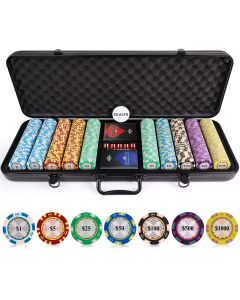
Most cheap chips are, well, plastic. They crack, they fade, and they eventually end up in a landfill. The sustainable poker player has a couple of solid options. First, invest in quality. A set of ceramic or clay composite chips lasts for decades, maybe a lifetime. The upfront cost is higher, sure, but the cost-per-use plummets. It’s the classic “buy it for life” mentality.
Second, consider materials. You can now find chips made from recycled plastics or even sustainable materials like bamboo. They feel great and tell a better story. And if you’re hosting a tournament? Renting a high-quality set is a fantastic, circular economy option that cuts down on clutter, too.
Dealing a Greener Hand
Cards wear out. It’s a fact of life. But instead of buying flimsy plastic-coated paper decks that warp and get tossed every few months, go for 100% plastic or cellulose acetate cards. They last years with proper care, handle like a dream, and shuffle with that perfect, satisfying snick. One premium deck can outlive fifty cheap ones.
For the truly eco-conscious, brands are now producing cards from recycled plastic or plant-based materials. They’re hitting the market more often, so keep an eye out.
Hosting with a Conscience: The Soft Touch of Sustainability
This is where you, as a host, can really shine. The ambiance, the snacks, the little details—they all add up.
Ditch the Disposable Mindset
Single-use plastics are the villain here. Those flimsy red cups, plastic water bottles, and paper plates? They’re a river of waste after just one night. The fix is simple, elegant even.
- Glassware & Mugs: Thrift stores are packed with unique glasses and mugs. Give them a second life. They feel better in the hand and make the game feel more serious.
- Real Plates & Napkins: If you must use disposables, choose compostable ones made from bamboo or sugarcane. But a set of mismatched plates from a garage sale has way more character.
- Cloth Towels & Napkins: A small basket of cloth napkins for spills and snacks is a classy, zero-waste move.
Smart Snacking and Beverages
Instead of individual bags of chips, buy in bulk and serve in bowls. Make a big batch of popcorn—it’s cheap, low-waste, and fills the room with a welcoming smell. For drinks, offer a signature cocktail or a large dispenser of infused water with citrus and herbs, rather than a fridge full of canned drinks.
And hey, if you’re providing beer or soda, choose cans over glass bottles when you can. Cans are lighter to transport and far more likely to be recycled effectively. Better yet, support a local brewery with a growler fill.
The Energy Play: Cutting Down the Invisible Waste
This one’s subtle, but it matters. Your home game’s energy footprint is mostly about lighting and climate control.
Swap those old bulbs for LEDs in the game room. They use a fraction of the energy and last forever—perfect for those long, late-night sessions. In fact, a good LED bulb can last through thousands of hours of bad beats and miracle rivers.
Be smart with heating and cooling. If you’ve got a dedicated game room, only condition that space. Use a fan instead of cranking the AC. It sounds small, but these habits compound, just like a consistent betting strategy.
Building a Green Poker Culture
Sustainability, at its core, is communal. It’s about setting a tone that others might just pick up on.
Encourage a carpool or rideshare system for your regulars. Fewer cars idling outside means a smaller carbon footprint and more parking spots. You could even incentivize it—maybe the carpool gets a small bonus in starting chips. Just a thought.
And what about the old gear? Don’t just toss those worn-out chips or cards. Get creative. Upcycle them into coasters, art, or dealer buttons. Or, if they’re still usable, donate them to a community center or school. Passing the torch, so to speak.
| Practice | Traditional Choice | Eco-Friendly Swap | Impact |
| Poker Chips | Cheap plastic set | Durable clay/composite or recycled material set | Reduces waste, lasts decades |
| Drinkware | Plastic cups & bottles | Glassware, mugs, or canned drinks | Eliminates single-use plastic |
| Snacks | Individually wrapped packs | Bulk snacks served in bowls | Cuts down on packaging waste |
| Transport | Everyone drives solo | Carpool or rideshare initiative | Lowers emissions, builds community |
The Final Bet: It’s About Mindful Play
In the end, sustainable poker isn’t about perfection. It’s about awareness. It’s choosing the durable deck over the throwaway one. It’s reaching for a real glass. It’s a small, conscious shift in how we approach our rituals.
These choices add a layer of respect to the game—respect for the objects we use, the environment we play in, and the company we keep. They make the experience feel more intentional, more grounded. And isn’t that what a great home game is all about? Creating a space that feels good, plays fair, and leaves everyone—including the planet—a little better off when the last card is dealt.